
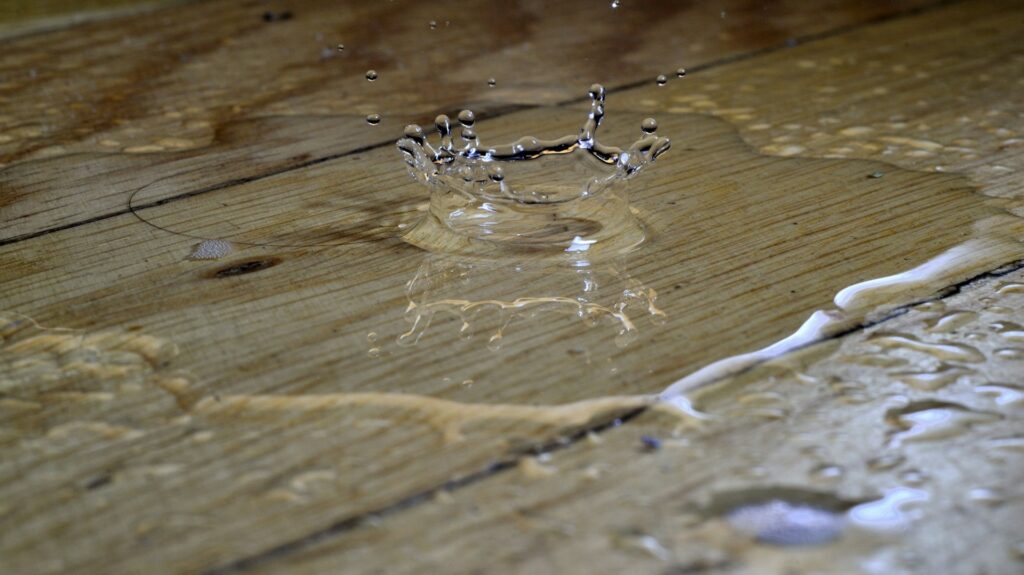
Stop Tile Damage After a Leak Before It Spreads
Water on tile can look simple to fix. Grab a mop, run a steam cleaner, call it good. But when that water comes from a summer storm blowing rain under a door, an AC line drip, or a water heater leak in an Odessa home or business, the real problem is usually hiding under the surface.
How you handle those first hours can decide if your tile stays solid or starts cracking, loosening, and growing mold underneath. Steam cleaning and water extraction are not just two ways to clean. Used at the wrong time, high heat can trap moisture, damage grout, and make repairs more expensive later. Here, we will break down what steam cleaning and extraction really do, what happens under your tile after a leak, and what we at CarpetMax recommend for safe flood restoration in Odessa.
What Really Happens Under Your Tile After a Leak
When water hits tile, it does not just sit on top and wait for a towel. It looks for gaps. It seeps into grout lines, hairline cracks, and the joint where tile meets the baseboard. From there, it can run across the slab or subfloor, far beyond the area that looks wet to your eyes.
There is a hidden damage timeline under that shiny floor:
- First hours: grout and edges soak up water, light discoloration may show, baseboards may darken at the bottom
- First 24 to 48 hours: subfloor or slab holds moisture, some tiles may start to sound hollow, caulk and grout can soften
- Day 2 to 5: mold can begin to grow, odors start, grout and adhesives can break down more
Tile often fools people. The top can look and feel dry while the material under it is still loaded with moisture. Your hand can only feel the very top layer, not what is going on below. That is why professional tools matter. Moisture meters and thermal imaging can show where water has spread under tiles, along walls, and into other rooms without guessing. This helps set up drying equipment in the right spots, so nothing stays wet in the dark.
Steam Cleaning on Wet Tile Floors: When Heat Helps and When It Hurts
Professional steam cleaning sounds simple: hot water and pressure to clean and sanitize. When done at the right time, it does a great job lifting built-up soil and brightening grout lines. On tile, steam tools blast hot solution into the surface, then suck it back out, pulling out residue and bacteria.
Heat helps when the structure is already dry inside. Good times to bring in steam on tile include:
- After full extraction and drying from a leak
- When you want to deep clean traffic paths and grout lines that look dingy
- When you need to sanitize odors from an old leak that is no longer wet
- As a final step after restoration, to make floors look and smell fresh again
The key is that everything beneath the tile must be stable and dry first. When the tile or subfloor is still damp, steam can cause more harm than good. High heat on a wet system can:
- Force moisture deeper into pores and tiny gaps
- Make materials expand and contract too fast, especially in hot West Texas summers
- Weaken grout and adhesives that are already soft from water
- Speed up hollow spots and loose tiles, turning a small issue into a bigger repair
On a hot afternoon in Odessa, surfaces are already stressed from the sun and heat. Adding more intense heat to a floor that just went through a leak is like shocking it twice in one day. That is why steam should be the last step, not the first response.
Why Extraction Beats Steam Right After a Leak
Right after a leak, the job is not cleaning, it is drying. Proper water extraction focuses on removing as much moisture as possible, as fast as possible. That starts with getting rid of standing water, then pulling water from grout, tile edges, and the gaps along walls and cabinets.
A professional extraction and drying setup typically includes:
- Truck-mounted or powerful portable extraction units to pull out pooled water
- Air movers to keep air moving across surfaces
- Dehumidifiers to pull moisture out of the air so the whole space dries evenly
Compare that with early steam cleaning on a wet floor:
- Steam adds heat and some water, extraction removes water and lowers moisture
- Steam mostly treats the surface, extraction and drying target the layers below
- Steam can create a quick “looks clean” fix, extraction helps protect tile and grout over time
In Odessa, leaks often follow flash rain, backed-up drains, or issues tied to heavy AC use and plumbing strain. Our area is known for high heat and lower humidity, which means water can evaporate fast on the surface. That can trick you into thinking everything is dry while moisture remains trapped down low. Rapid extraction and managed drying give that hidden moisture a way out, instead of sealing it in.
What to Do in the First 24 Hours After a Tile Leak
The first day after a leak is about safety and slowing the damage. Before anyone thinks about cleaning, take care of the basics.
Immediate steps to take:
- Shut off the water supply if the leak is from plumbing or an appliance
- Turn off power at the breaker if water is near outlets, cords, or electrical items
- Move rugs, boxes, and light furniture off the wet area
- Keep kids, pets, and customers away from slippery floors
There are a few smart things you can do while you wait for professional help:
- Blot and towel up standing water that you can safely reach
- Use fans to move air across the space, but do not point them full blast into baseboards or directly under cabinets
- Open doors inside the area so air can circulate better
Just as important is what not to do:
- Do not use home steam mops or consumer steam cleaners on damp tile and grout
- Do not turn up the heat or try to “bake” the area dry
- Do not start ripping up tile or baseboards without knowing what is wet and what is not
These moves can drive water deeper, release more dust and particles, or interfere with insurance coverage if the damage gets worse.
How CarpetMax Handles Tile Drying and Restoration in Odessa
When our team at CarpetMax responds to a tile leak, we treat it as a moisture problem first, a cleaning problem second. Our process starts with a careful inspection. We check the visible damage, then use moisture mapping and other tools to find how far the water really went.
From there, we typically:
- Extract standing water and heavy moisture from tile, grout, and nearby surfaces
- Set up air movers and dehumidifiers to dry the slab or subfloor and the air
- Monitor readings to be sure the hidden layers are drying, not just the top
Once the floor and structure reach normal moisture levels, we can move into cleaning. That is when professional tile and grout cleaning, including steam, makes sense. At that point, the goal is to remove residue, brighten grout, and leave the floor fresh and sanitary.
For homeowners and businesses in Odessa, this approach helps with:
- Faster and more even drying in our hot climate
- Lower risk of mold, loose tiles, and musty odors later
- Clear documentation of the damage and drying process for insurance claims
- A smoother path from “leak emergency” back to normal life or business operations
Get Started With Your Project Today
If water has damaged your home, we are ready to respond quickly and help you restore it safely. Our certified team at CarpetMax will inspect the damage, remove excess water, and start drying your property right away. Learn more about our process and schedule professional flood restoration in Odessa so you can protect your home and move forward with confidence.
Related reading: Steam Cleaning After Minor Flooding: Safe Timeline and When It’s Too Late
Related reading: Spring Cleaning Strategy: When Carpets Need Steam Cleaning Before Tile