
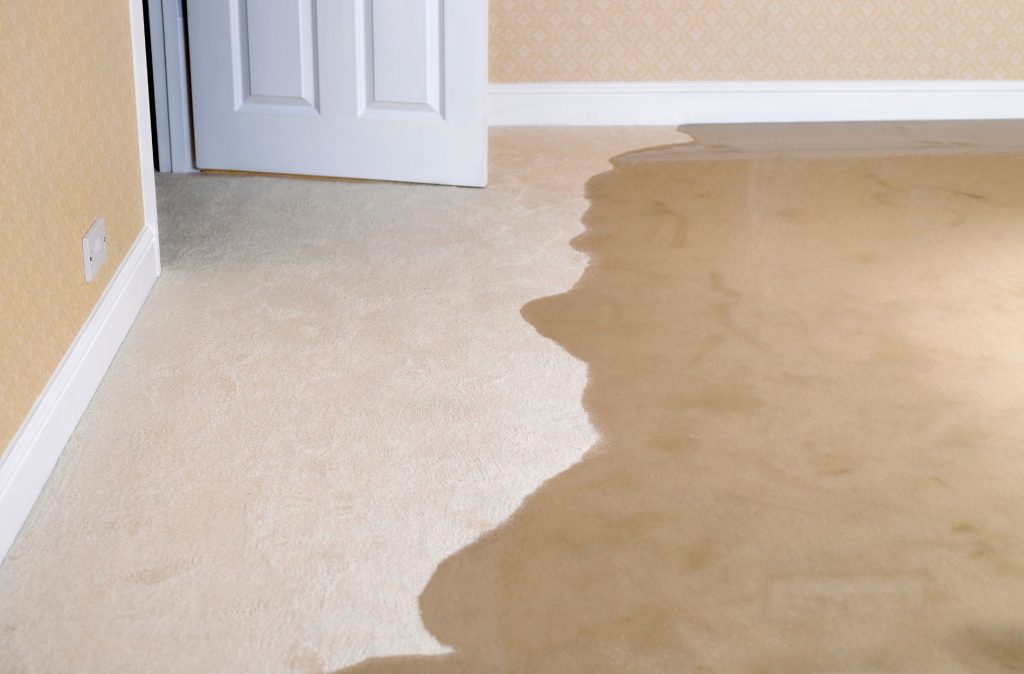
Water on the floor is stressful, no matter how it happens. In a rental, it can feel even worse, because you do not control the building and you may not know what you are allowed to do. That is why having a simple plan for flood restoration in Odessa rentals matters before the carpet ever gets wet.
In our area, sudden storms, older plumbing, and AC leaks can soak carpets and walls in a short time. As a renter, you might be stuck waiting on a property manager, unsure what is your responsibility and what belongs to the owner. In this guide, we will walk through what to watch for, what to do in the first hours after water damage, how to protect your health and your stuff, and when it is time to call a professional flood restoration service.
Why Odessa Renters Need a Flood Restoration Plan
Odessa rentals, especially older complexes, often deal with surprise water problems. A strong spring storm can push rain where it does not belong. A burst pipe in a wall can soak carpet, baseboards, and furniture. A clogged AC drain or leaky HVAC line can drip for days before anyone notices.
Renters face a special set of headaches because so many of the causes and fixes are outside their control. Common issues include:
- Limited control over plumbing, roofing, and AC care
- Delays while waiting for landlord or property management approval
- Confusion about what to touch and what to leave alone
- Worries about who pays for what
Having a simple flood restoration plan means you already know your first steps. You understand how to stay safe, how to protect your belongings, how to document what happened, and how a pro will handle the dirty work.
Know Your Risks Before the Water Hits
The best time to think about flood restoration in Odessa is when your carpet is still dry. In our area, rental units often face a few common sources of water damage:
- Heavy spring thunderstorms forcing water under doors or through weak spots
- Aging plumbing that can leak behind walls or under sinks
- Clogged AC drains or condensation lines around HVAC systems
- Upstairs neighbors whose tub, toilet, or washer overflows
You can often catch problems early if you know what to look for. Warning signs include:
- Musty or damp smells that do not go away with cleaning
- Soft, squishy, or rippled carpet under your feet
- Dark lines or stains along baseboards or in corners
- Slow-draining tubs, sinks, or toilets
- Wet spots or condensation around AC units or vents
Even in a rental, there are a few simple ways to “flood-proof” your space as much as you can. These steps will not stop water from entering, but they can reduce how much damage you deal with and make cleanup less chaotic:
- Keep valuables, documents, and electronics off the floor
- Use small rugs or mats near doors, bathrooms, and AC closets
- Learn where the unit water shutoff is, if your landlord allows access
- Save landlord, maintenance, and emergency numbers in your phone
- Keep plastic bins instead of cardboard boxes for low storage
First 24 Hours After a Flood in Your Rental
When water hits your carpet, the first day is important. Quick action can limit damage until the landlord and a professional team can step in.
Start with safety and focus on avoiding electrical and structural hazards:
- If you can do it safely, turn off electricity to affected areas
- Avoid standing water near outlets, cords, or power strips
- Watch for sagging ceilings or bulging paint overhead
- Move slowly on wet tile so you do not slip
Before calling a pro, take a few minutes to document everything. Clear documentation helps your landlord and insurance understand what happened and how far the damage spread. Use your phone to capture:
- Photos and video of where the water came from and how far it spread
- Close-ups of damaged carpet, baseboards, furniture, and personal items
- Timestamps or notes about when you first noticed the water
Do not throw away damaged items until your landlord or insurance tells you it is okay. They may need to see proof.
While you wait for help, there are a few careful steps you might take if it feels safe and your landlord agrees. The goal is to prevent further damage without creating new problems (like pushing moisture deeper into materials):
- Move furniture, rugs, and boxes out of wet areas
- Place foil or plastic under furniture legs to keep them off damp carpet
- Use fans to keep air moving, but do not aim them into walls or ceilings
- Avoid walking on soaked carpet more than you have to, to keep fibers from matting and spreading moisture
What to Expect From Professional Flood Restoration in Odessa
When a professional team arrives for flood restoration in Odessa, the first job is to figure out what is wet, not just what you can see. That usually starts with a moisture inspection and a clear plan that both you and your landlord can understand.
A typical restoration process includes:
- Water extraction from carpet and hard floors
- Pulling back sections of carpet where needed to access padding
- Removing soaked carpet pad that cannot be saved
- Setting up commercial air movers and dehumidifiers
- Checking moisture levels in walls, baseboards, and subfloor
- Adjusting equipment and monitoring until materials are dry
Pros focus on the structure of the building and the flooring, so their work is usually centered on making sure materials are clean, dry, and stable again. Their role often includes:
- Drying carpet, walls, and subfloor
- Applying antimicrobial treatments when needed
- Documenting damages for owners and insurance
Renters usually handle more of the personal property side of the situation and the day-to-day coordination. That typically means:
- Moving personal belongings, clothes, and small furniture
- Keeping in touch with the owner or property management
- Checking the details of renters’ insurance, if you carry it
Good communication between you, your landlord, and the restoration team helps keep the process smoother and less stressful.
Steam Cleaning and Saving Your Carpets After a Flood
Once everything is dry, many renters are surprised to learn the job is not really finished. Deep steam cleaning after water damage helps remove residues, odors, and what may be left behind in the carpet fibers.
Timing matters, because cleaning too early can trap moisture, while waiting too long can allow smells and stains to settle. Carpets should be:
- Fully dried and checked for hidden moisture
- Inspected for loose seams, ripples, or damage
- Cleared of furniture as much as possible
Waiting too long can let stains, smells, and contaminants settle deep into the pile. Steam cleaning at the right time can help:
- Improve the look of rental carpets
- Reduce leftover musty odors
- Extend how long the carpet stays usable
As a renter, it helps to stay involved in this phase so you have clarity on what was done and when. Practical steps include:
- Ask your landlord if they will bring in a trusted local company for steam cleaning
- Request a copy of any service notes or reports for your own records
- Suggest routine steam cleaning for high-traffic areas during longer leases
Health, Mold, and Odor Concerns Renters Should Not Ignore
Even when a surface seems dry, moisture under carpet and padding can cause trouble later. Mold can hide along baseboards, in closets, under beds, and behind furniture that never gets moved.
Pay attention to warning signs like:
- A musty or earthy smell that comes back after cleaning
- Dark or fuzzy spots on walls, baseboards, or carpet
- Allergy flare-ups, coughing, or headaches that feel worse at home
- Pets sniffing or scratching at the same damp areas
Fast, professional flood restoration in Odessa is more than a cosmetic fix. For families with kids, seniors, or pets, it can be an important health choice. Keeping moisture and microbial growth under control helps make your rental feel safe, not just dry.
Take Control of Your Rental After Water Damage
As renters, we might not own the walls, but we can still be ready. A simple flood response checklist can make a hard day a little easier. Include steps like:
- Who to call first, in order: emergency services if needed, then landlord, then restoration company if your landlord approves
- What photos and videos to take and where to save them
- Which items to move right away, like electronics, clothes, and important documents
It also helps to talk with your landlord before trouble starts so you are not figuring out procedures during an emergency. You can:
- Ask if they have preferred restoration vendors for water damage
- Learn how emergency calls work after hours or on weekends
- Clarify what is covered if a neighbor’s leak or a storm affects your unit
At CarpetMax, we work with both renters and property owners here in Odessa, and we know how disruptive water damage can be in a rental. Planning ahead, keeping an eye out for early warning signs, and understanding what happens during professional flood restoration can help you feel more in control, even when the carpet gets soaked.
Get Started With Your Project Today
If your home has been hit by water damage, we are ready to help you recover quickly and safely with expert flood restoration in Odessa. Our CarpetMax team will assess the damage, remove standing water, and dry and clean affected areas to help prevent mold and long-term structural issues. Reach out today so we can walk you through your options, provide a clear estimate, and get your property back to a clean, dry, and comfortable condition.
Related reading: Odessa Flood Restoration Mistakes That Make Damage Worse