
Drying Out Fast: What Happens After Emergency Water Removal
Water on your floors is scary, but what happens after the standing water is gone matters even more. Emergency water removal gets the puddles out, but the real danger is the moisture that stays hidden in walls, flooring, and subfloors. That hidden moisture is what turns a short-term mess into a long-term problem.
In this article, we will walk through what happens in the hours and days after emergency water removal. We will share how drying really works, what a professional restoration team does, how you can support the process, and what warning signs tell you that things are not drying like they should.
What Homeowners Do Not See After Water Is Gone
Emergency water removal is the first step in flood cleanup. This usually includes things like:
• Using pumps to remove deep standing water
• Using wet vacuums to pull water out of carpets and hard floors
• Squeegeeing and mopping up surface moisture
Once the floors look dry, it is easy to think the problem is solved. The truth is, the water you see is only part of the story. Water moves quickly into tiny gaps and porous materials. It can be inside your drywall, underneath your carpet pad, or trapped under baseboards even when the surface feels dry to the touch.
From a restoration pro’s point of view, the next 24 to 72 hours are the make-or-break window. During that time, moisture can:
• Soak deeper into wood and drywall
• Start softening materials and weakening structure
• Set up the perfect conditions for mold and strong odors
Here in West Texas, late winter is still sunny, with mild swings between day and evening. Those shifts can slow natural drying and keep indoor humidity hanging around. That is why we rely on controlled drying, not just time and airflow, to protect the home.
In the sections below, we will explain how we dry, the tools we use, and how to tell if your home is really getting back to normal.
The Critical First 24 Hours After Emergency Water Removal
Speed matters a lot once the standing water is gone. Even after extraction, leftover moisture can:
• Wick up into walls from wet baseboards
• Travel under carpet and pads into rooms that never looked flooded
• Sit inside cabinets and closets where air does not move well
This can happen in just a few hours. Touching the wall or floor does not tell you how wet it really is inside. That is why professionals use tools like moisture meters and thermal imaging cameras. These help us map where the water went so we can dry the right areas instead of guessing.
Right after emergency water removal, we usually focus on stabilizing the space. That often includes:
• Moving and blocking furniture to keep it off damp surfaces
• Pulling back carpet in certain areas to check the pad and subfloor
• Removing soaked padding if it cannot be saved
• Placing barriers or protection to stop water from spreading to dry rooms
Late February in Odessa brings longer days and more activity, but indoor air still may not dry materials fast enough by itself. Professional drying equipment helps push moisture out of hidden spaces before mold and odors get a foothold.
How Professional Drying Equipment Saves Your Home
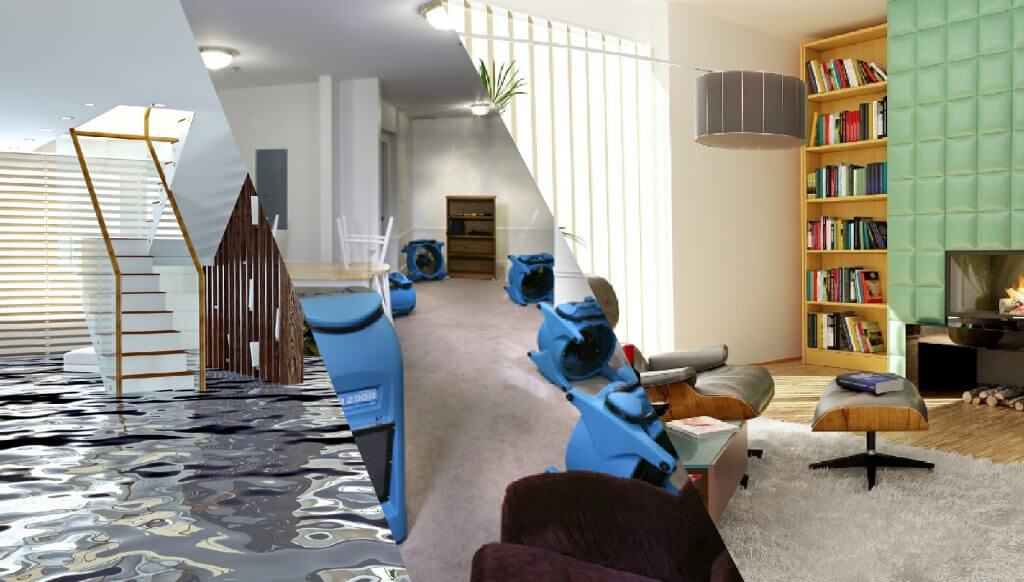
Once the water is extracted and the wet areas are mapped, the real drying work starts. One of the main tools we use is high-velocity air movers. These are not just big fans. They are placed at certain angles to sweep air across wet surfaces and help pull moisture out of carpets, walls, and subfloors. Placement really matters. If the air movers are pointed the wrong way, you can get pockets that stay damp.
Fans alone just move wet air around. That is why we pair air movers with commercial dehumidifiers. Dehumidifiers pull moisture out of the air and collect it as liquid water. As the air dries out, it can pull more moisture out of your building materials. This cycle repeats until everything is back in a safe range.
We also pay close attention to temperature and indoor humidity. Opening windows or blasting heaters can seem helpful, but they can slow drying or make it uneven. Instead, we adjust conditions inside the home to reach the right balance so materials release moisture at a steady rate.
Each day, a trained technician checks:
• Moisture readings in walls, floors, and other materials
• Temperature and humidity levels in the space
• How air movers and dehumidifiers are performing
As areas reach normal dry levels, we shift or remove equipment. Drying is complete only when the readings show that materials are back to a safe, stable state, not just when things look and feel dry.
Carpets, Padding, and Flooring: What Gets Saved and What Goes
After emergency water removal, one big question is what can be saved. For carpet and padding, we look at a few main points:
• What kind of water was it, clean or dirty
• How long the material stayed wet
• The type and construction of carpet and pad
In some cases, the carpet can be dried in place or floated with air movers, then cleaned. Often, the pad underneath is more absorbent and may need to be removed and replaced for health and safety.
Once the drying phase is complete, deep steam cleaning is very helpful. Professional steam cleaning can remove residues, help with odor, and freshen carpets, area rugs, and upholstery that were exposed to water.
Hard surfaces have their own challenges. Tile and grout may look tough, but grout lines can hold moisture longer than the tile itself. Special drying methods and tile and grout cleaning can help pull that moisture out and remove any residue that settled in.
Sometimes the safest call is to remove certain materials. That might include:
• Severely soaked padding
• Baseboards that swelled or warped
• Sections of drywall that stayed wet or show damage
We aim to keep demolition as light as possible while still protecting long-term health and structure. Taking out a small section now is better than dealing with hidden mold later.
Preventing Mold, Odors, and Future Damage
Mold does not wait very long to start growing after a water incident. That is why thorough drying after emergency water removal is not optional. If moisture stays trapped, even in small pockets, you can end up with stains, musty smells, and damaged surfaces.
Professional odor control and disinfection can include:
• Antimicrobial treatments on affected materials
• Odor neutralizers to stop smells at the source
• Post-drying steam cleaning of soft surfaces
We also pay extra attention to common trouble spots, such as:
• Closets and storage rooms
• Under beds, couches, and large furniture
• Inside AC closets and near air handlers
• Behind toe-kicks under kitchen and bathroom cabinets
Homeowners can support the drying process with simple habits, as advised by the restoration team. For example, you can use ceiling fans when recommended, avoid using humidifiers in the area, and keep an eye out for warning signs like new stains on walls or ceilings, flooring that starts to buckle, or damp, earthy smells that do not fade. Catching these signs early can prevent a small issue from becoming a bigger one.
Your Next Steps When Water Strikes in West Texas
When water hits your home or business, it helps to have a clear plan in mind. A simple checklist looks like this:
• If safe, shut off the water source
• Keep people and pets away from the affected area
• Move loose valuables from wet floors and shelves
• Avoid running home fans or heaters without guidance, they can spread moisture
• Call a 24/7 emergency water removal team as soon as possible
Working with a local team in Odessa means faster response and a better understanding of how local homes and buildings are put together. It also means your restoration crew knows how our regional weather, sun, and humidity patterns affect drying.
Planning ahead makes the next water event less stressful. Make sure you know where your main water shut-off is, keep an emergency contact list handy, and stay current with routine carpet and tile cleaning so surfaces are in better shape to handle surprise leaks or spills. Fast action and careful drying are what turn an emergency into a clean, safe recovery.
Get Started With Your Project Today
If water has flooded your home or business, every minute counts to protect your floors, walls, and belongings. At CarpetMax, we respond quickly with professional equipment and proven techniques to stop the damage from getting worse. Learn more about our fast, 24/7 emergency water removal so we can start restoring your space as soon as possible. Reach out now so we can help you get back to normal quickly and safely.