
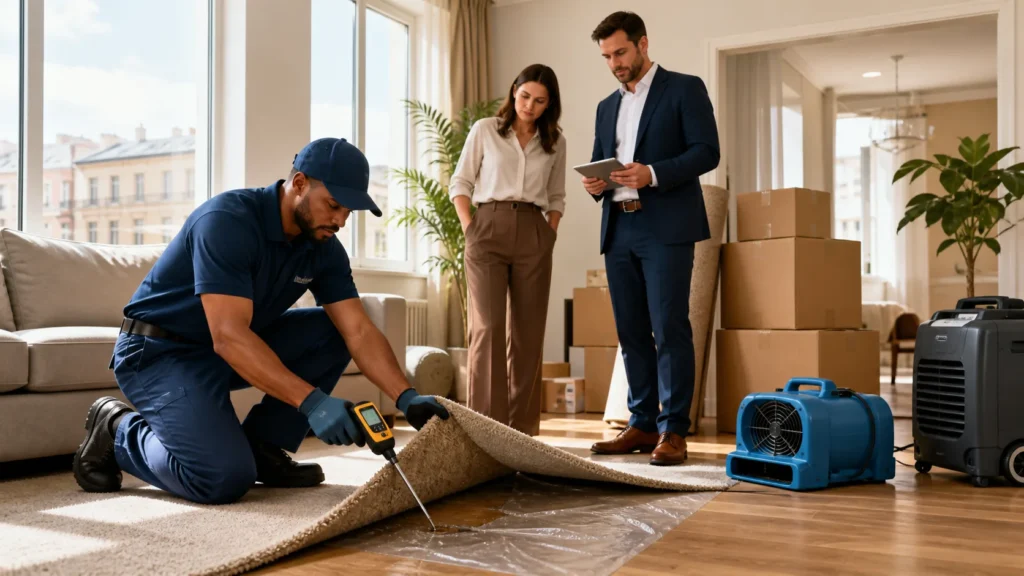
Moisture Proof Move-Ins and Move-Outs That Protect Your Deposit
Keeping your security deposit should not feel like a fight. One of the biggest problem areas in Odessa rentals is the carpet, especially when moisture gets involved and nobody can agree on when the damage started.
Odessa rentals deal with summer storms, AC leaks, water heater problems, and tons of dust. All of that can push moisture down into the carpet pad, where it hides until a smell, stain, or ripple shows up later. That is when the finger-pointing starts. To avoid that, we like something simple: moisture documentation. That means photos, meter readings, and cleaning receipts that clearly show what the carpet looked like when you moved in and when you moved out.
Think of it as low-cost insurance against arguments. In this guide, we walk tenants and landlords through a step-by-step, restoration-style process that works in real homes and apartments here in Odessa. The goal is simple: clear proof so everyone stays fair and calm when it is time to return that deposit.
Why Odessa Rentals Are Prone to Hidden Carpet Damage
Late summer in Odessa can be tricky for carpet. We see hot, sunny days, quick storms that blow through, and humidity swings that can push moisture into carpet, padding, and baseboards. Even when things look dry on the surface, the backing can still hold damp spots.
Common moisture sources in rentals include:
- Leaking fridge lines and ice makers
- Clogged AC drain lines or drip pans
- Overflowing tubs, sinks, and toilets
- Pet accidents that soak deep into the pad
- Old water damage that never got professional drying
From a water damage restoration point of view, the scary part is what you cannot see. A carpet can look normal but still have:
- Wet padding along the wall edges
- Damp baseboards or bottom of door frames
- Moisture trapped under tack strips
When that hidden moisture sits, it can lead to smells, staining, rust on metal strips, or even mold. Later, when a landlord spots the damage at move-out, it is easy for them to think you caused it. That is why good documentation from day one matters so much.
Move-In Documentation That Stops Future Blame
The best time to document carpet condition is right after you get the keys. We suggest doing a carpet walk-through within the first day or two, before you move-in furniture or stack boxes. It is a lot easier to see and photograph the floor when it is empty.
Use this simple move-in photo checklist:
- Take wide shots of every room from each corner
- Get close-ups of stains, burns, ripples, or frayed seams
- Photograph baseboards and doorways where carpet meets tile or vinyl
- Look closely around sliding doors and entry doors for old water marks
- If tack strips are visible near a door or transition, photograph rust or dark lines
Once you have the photos:
- Make a folder on your phone or computer labeled “Rental Carpet, Move-In”
- Name each file with the room and date, like “LivingRoom_Door_08-15”
- Email copies to yourself so they are backed up
- Share key photos with your landlord or upload to the tenant portal if they allow it
This simple step creates a time-stamped record. Later, if a stain or ripple gets worse, you can show that it was already there at move-in.
Pro-Level Moisture Checks Using Affordable Tools
Photos are great, but they only show what your eyes can see. That is where basic tools like moisture meters and hygrometers can help. Tenants in higher-risk units, like ground floor apartments, places over laundry rooms, or units near exterior doors, may want to buy or borrow these.
Here are good spots to test like a water damage restoration technician:
- Along baseboards in bedrooms and living rooms
- Around toilets and in front of tubs and showers
- Near AC closets and around the AC air handler
- At sliding glass doors and entry doors
- Under windows after a strong summer storm
Take slow readings and write them down. A simple log can include:
- Date and time
- Room and exact spot, like “north wall by window”
- Number reading from the meter
If odors or stains show up months later, those dated readings can show that moisture was already present or building up. That makes it much harder for someone to say the problem started because of something you did near move-out.
Cleaning Receipts That Prove You Left Carpets Right
Good documentation is not just about problems, it is also about showing the care you gave the carpet. Many renters think a DIY rental machine is enough, but those units usually cannot match the heat or extraction power of professional deep steam cleaning. That can leave moisture and fine dust trapped in the pad.
A strong invoice from a company like ours should list:
- Date of service and full address
- Rooms or areas cleaned
- Cleaning method, such as hot water extraction or deep steam cleaning
- Any spotting or odor treatments used
- Notes if we spot signs of prior water damage that were already there
Timing matters too. It often works best to schedule professional cleaning a few days before your final inspection. That gives the carpet time to dry and allows any remaining spots to show up while you are still around to address them.
Always:
- Keep a digital photo of the receipt
- Store the paper copy with your lease papers
- Add a note in your move-out folder that matches the cleaning date with your final photo set
When you can show clear “before” photos, meter logs, and a pro cleaning receipt, it is much easier to prove you did your part.
When Moisture Becomes Damage and You Need Backup
Sometimes moisture turns into real damage, and simple documentation is not enough. That is when water damage restoration help is important.
Red flag signs include:
- Squishy or uneven padding when you step on the carpet
- A musty smell that lingers even after cleaning
- Visible mold spots on carpet edges or baseboards
- Rust lines along tack strips or metal transitions
- Carpet backing that is separating or bubbling
In these cases, tenants should:
- Take clear photos of the problem areas
- Record moisture meter readings around the damage
- Notify the landlord or property manager in writing as soon as possible
Ask for a professional assessment. A proper restoration report can include moisture maps, readings, and dry-out records. That kind of paper trail helps show whether the issue was a building problem or tenant-caused, and it protects everyone during move-out.
Turning Documentation Into a Simple Deposit Defense Plan
At CarpetMax, we see how small moisture issues turn into big deposit disputes, especially around late summer move-outs and new leases. The good news is that a basic plan can protect you.
Think of it as three pillars:
- Detailed, dated photos at move-in and move-out
- Written moisture meter logs from key areas
- Professional cleaning receipts from a trusted local company
Use a simple “before and after” routine. At move-out, repeat the same photo angles you took at move-in. Recheck the same moisture spots and log the readings. Attach your professional cleaning invoice. Then keep everything in one organized file you can share if questions come up.
In a place like Odessa, with our mix of heat, storms, and dust, treating carpet documentation like an insurance policy for your deposit just makes sense. With clear records and help from experienced cleaners and restoration techs when needed, tenants and landlords can both feel more confident that the carpets, and the deposit, are being handled fairly.
Restore Your Home Quickly With Expert Water Damage Help
When water hits your carpets or floors, every minute counts, and we are ready to step in fast. At CarpetMax, we use advanced equipment and proven methods to dry, clean, and restore affected areas so you can feel confident in your home again. Explore our water damage restoration services to see how we handle everything from initial inspection to final cleanup. Reach out today so we can start minimizing damage and getting your space back to normal.